
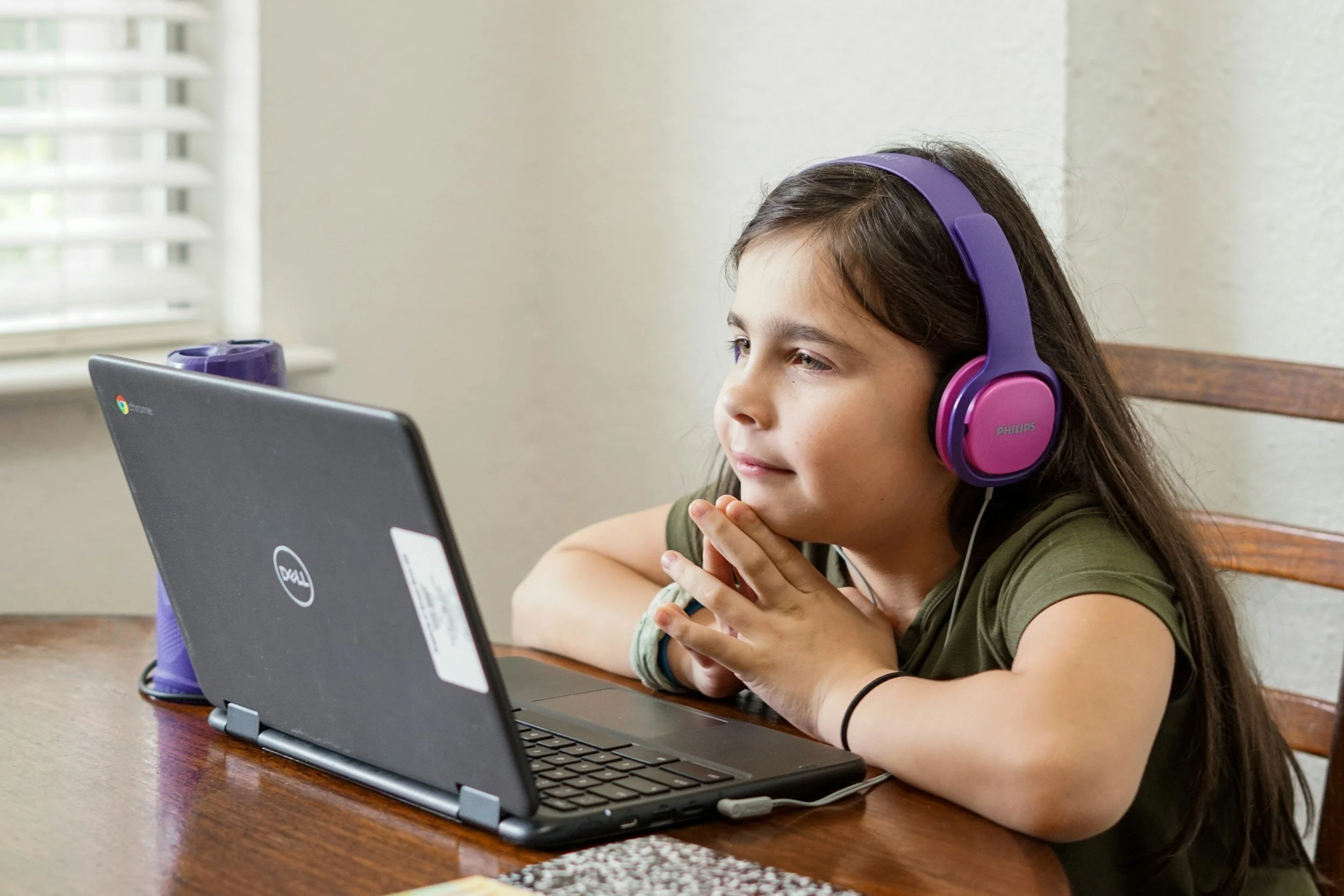
Telehealth Speech Pathology
Evidence-based Telehealth speech pathology assessments and targeted intervention services delivered securely online, Australia-wide.
No waitlists.


Get In Touch With
Ninja Allied Health

What is Telehealth Speech Pathology?
Telehealth speech pathology is professional, comprehensive allied health speech therapy delivered securely online through encrypted video consultations. It is designed to build long-term communication skills, confidence, and independence from the comfort of your own home.
Whether you’re accessing NDIS funding, paying privately, or using Medicare rebates through a GP, Psychiatrist or Paediatrician referral, our Certified Practising Speech Pathologists (CPSPs) deliver evidence-based online assessment and therapy for speech, language, fluency, voice and social communication, tailored to your goals.
Who We Help
-
Our speech pathologists see toddlers who are late to find their first words and school-aged students with developmental, language and communication delays or selective mutism. A child who communicates with AAC, key word sign or gesture is already communicating, and therapy starts from there.
We also support literacy, dyslexia and auditory processing, and offer feeding and swallowing therapy, including ARFID, fussy eating and trouble with textures. Sessions involve parents, teachers and support teams, and Telehealth lets your child stay in their own space.
-
We support adults rebuilding communication after a brain injury or stroke, managing a progressive condition, living with a stutter or communicating as a neurodivergent person. The goal is confident communication at work, socially and at home, in whatever form works for you: speech, writing, AAC or a mix.
Our speech pathologists assess speech, language, cognitive-communication, voice and swallowing (dysphagia), then write clear reports with current abilities, recommended supports and realistic goals. Therapy includes safer swallowing and mealtime strategies.
-
For older adults, we focus on staying connected and independent. Communication can change with ageing, memory loss or dementia, hearing loss or a progressive condition, and we help you keep communicating through those changes so you can go on enjoying conversations with family, friends and your wider community.
We assess communication and swallowing (dysphagia) and set realistic goals, then work on clearer conversations, word-finding, keeping track of a conversation, and safer mealtimes, including texture-modified food and drink. We coach family and carers too, so strategies hold up.

How Does Telehealth Speech Therapy Work?
Before your session we’ll send you a unique, secure video link by SMS or email. There’s nothing to download, no account to create and no login. All you need is a smartphone, tablet or computer with internet access.
Our team has over 40 years of combined Telehealth experience. With no travel involved, sessions are easier to fit around work, school and caring responsibilities.
You can attend on your own or with anyone who supports you, such as a parent, carer, teacher or support worker. Every session includes education and coaching for the people around you, so everyone is following the same plan.
AAC (augmentative and alternative communication), such as a speech device or app, works well over Telehealth. Assessment, device set-up and training for you and the people around you all happen in the same sessions, so the device gets used every day instead of sitting in its case.
Who Telehealth Speech Pathology May Benefit
Telehealth Speech Pathology is for anyone and everyone, of all abilities and all ages. It can be especially helpful for those with:

Busy schedules
Fatigue or low energy

Remote living situations

Limited
transport options

Anxiety in new
environments

Need for non-local,
specialised therapists

Support for All Disabilities and Diagnoses
Just as Telehealth is for everyone, so is our support. We work across every type of disability and diagnosis, including:
Physical • Intellectual • Neurological • Sensory • Psychosocial
Learning Difficulties • Progressive Diagnoses • Early Intervention
Cognitive & Developmental • Genetic Conditions & Rare Syndromes
Support for All Disabilities and Diagnoses
Just as Telehealth is for everyone, so is our support. We work across every type of disability and diagnosis, including:
• Physical • Neurological • Intellectual •
• Psychosocial • Learning Difficulties •
• Progressive Diagnoses • Early Intervention •
• Sensory • Cognitive & Developmental •
• Genetic Conditions & Rare Syndromes •
Our Telehealth Speech Pathology Services

What We Help With
Some of the areas we support most often include:
-
As a neuro-affirming practice, we focus on functional communication and connection rather than “fixing” natural communication styles. Sessions are built around each person’s own interests, comfort and pace, working towards the goals that matter to them, their loved ones and their support network.
-
Language has two sides: understanding speech (receptive) and putting sentences together to get meaning across (expressive). When language is delayed, we assess both and build vocabulary, sentence structure and comprehension through play and everyday routines rather than drills.
-
The aim is to feel comfortable in social situations as yourself. We work on the pragmatic skills you decide matter, from reading tone and knowing how much to say to self-advocacy, practising in real conversations at your pace with the people around you, because communication goes both ways.
-
Selective mutism is anxiety, not shyness or a choice. Telehealth lets us start where they feel safest, usually at home, then move into other settings without pressure to speak. Gestures, writing, whispering and AAC all count, and we build from them towards speaking when ready.
-
We deliver the Australian-developed Lidcombe Program for young children and the Camperdown Program for teens and adults via Telehealth. Clinical trials show webcam delivery needs the same consultation time as in-clinic sessions and achieves an immediate 82% drop in stuttering.
-
Targeted remediation for reading, spelling, and phonological awareness, including dyslexia and auditory processing difficulties. Sessions are designed to support students directly within their academic routines, so what we work on shows up in the classroom.

We Also Help With
-
Voice problems show up as hoarseness, vocal strain, losing your voice by the end of the day, or a voice that changes with a neurological condition. We assess what is driving it, then work on breath support, vocal technique, and the habits that cause strain, with medical referral when needed.
-
We assess how children and adults are managing food and drink, then coach you and the people supporting you through positioning, pacing and texture strategies, with a mealtime management plan. For children, that includes ARFID, food refusal, chewing, and bottle, cup or straw drinking.
-
Speech impediment is the term most people reach for before a clinical label is attached, covering unclear speech, lisps, and rhotacism, the difficulty producing an ‘r’ sound. We target specific sounds through structured practice and real-time feedback, so it carries into everyday speech.
-
For people living with aphasia after stroke or brain injury, we focus on rebuilding functional communication, whether that’s finding words, forming sentences, or using supportive strategies, tools and AAC, so you can reconnect with the conversations and relationships that matter most.
-
Apraxia of speech affects how the brain plans the movements needed for speech, so a person may know what they want to say but find the words come out differently each time. We work on planning those movements through structured, repeated practice, with home practice between sessions.
-
When a neurological condition affects the muscles used for speech, we work on strategies that make speech clearer and easier to produce, from breath support and articulation exercises to pacing techniques and, where needed, alternative communication supports.
-
After a stroke or brain injury, finding words, staying on topic, keeping up with conversation and managing fatigue can be hard. We rebuild communication skills around real situations, from returning to work or study to phone calls, involving family and carers along the way.
Stop Waiting. Start Moving. National Support in Under 14 Days.
What are the Benefits of Telehealth Speech Pathology?
No Waitlists
Begin treatment within two weeks instead of joining a long local waitlist or waiting for a speech therapist to have space in your area.
Treatment from Home
Telehealth speech therapy is delivered at home, where most people feel more secure, expressive, and comfortable learning.
Budget Efficiency

Telehealth sessions are charged at the same rate as face-to-face care and eliminate travel fees that dilute in-person plans by up to 50%, ensuring every dollar goes directly to clinical hours.
Flexible Scheduling
Finding time for speech therapy around family, school or work commitments is hard enough without the travel. Our online service removes that pressure.
Clinician Matching
Our suitability process matches you nationally with a Certified Practising Speech Pathologist experienced in your area of need and suited to your personality.
Uninterrupted Care
Sessions continue through school holidays, bad weather, illness, or an interstate move. Your therapy plan doesn’t depend on being able to get to a clinic that week.
Funding Options for Our Telehealth Service
We work with a wide range of funding types, including:
NDIS • Medicare • WorkCover • DVA • Aged Care
Private Health Insurance • Insurance & Medico-Legal • Private (Self-Funded)
Funding Options for Our Telehealth Service
We work with a wide range of funding types, including:
• NDIS • Medicare • DVA
• Private Health Insurance • WorkCover •
• Private (Self-Funded) • Aged Care •
• Insurance & Medico-Legal •

Why Choose Ninja Allied Health for Telehealth Speech Pathology?
Communication is at the core of how humans connect, learn, and navigate everyday life, and how a person communicates is part of who they are. Ninja Allied Health is a proudly neuro-affirming and strengths-based practice. We do not seek to "fix" or "normalise" communication traits, rather, we co-design practical tools that align with a person's interests, comfort, and abilities. We work within a trauma-informed framework, so sessions stay predictable, transparent, and collaborative.
Our mission is simple: high-quality, accessible therapy without the wait.
Get Started with Telehealth Speech Pathology
You don’t need to have everything figured out before reaching out.
If you’re considering Telehealth speech pathology, or want to talk through options for yourself or your child, our team is here to help.
Frequently Asked Questions
-
For most goals, yes, and for some programs there is trial evidence to show it. If you’re unsure whether Telehealth suits you or your goals, give us a bell and we’d be happy to explore it with you. For example, landmark clinical trials of the Camperdown Program found webcam delivery needs the same consultation time as in-clinic sessions and achieves an immediate 82% reduction in stuttering frequency. Telehealth also makes therapy easier to fit around work, school or caring responsibilities, with no travel and shorter wait times.
-
It depends on where you’re starting and what you’re working towards. Some things, like education and advice, help straight away, while others take more time. Your therapist will talk this through with you.
-
Usually no, unless you’re claiming through Medicare or DVA. Depending on who is funding your care, a referral may help. Call us and we’ll help you work out your options.
-
A smartphone, tablet, laptop or desktop computer with internet access. We send a secure video link by SMS or email before your session, and there are no downloads, logins or profiles to set up.
-
They describe the same thing. Speech pathology is the name of the profession, and speech therapy is what most people call the treatment itself. Our clinicians are Certified Practising Speech Pathologists, the credential awarded by Speech Pathology Australia, the national professional body.
-
Yes. Medicare rebates are available for Telehealth speech pathology, as long as you have a referral. For most people that’s a care plan from your GP. For children with autism or a diagnosed disability, it’s a treatment plan from a paediatrician or psychiatrist. Medicare covers part of the fee, so there’s usually a gap to pay. DVA gold and white card holders pay no gap with a GP referral. Not sure which referral applies to you? Ask your GP, or give us a call.
-
Yes. The NDIS funds speech therapy delivered by Telehealth in the same way it funds in-person sessions. It comes out of the Improved Daily Living part of your Capacity Building budget, at the same price limit as a face-to-face session with no travel charges, so it often makes a plan go further.
-
Yes. DVA Gold and White Card holders pay no gap under standard DVA allied health funding. You’ll need a referral from your GP, and if you meet certain criteria, your entire course of therapy may be delivered via Telehealth.